Breaking News: Jarquez Hunter has announced his departure and decommit from Auburn tigers due to…

0
images (89)


Name, image and likeness deals have changed collegiate sports forever, with college football being arguably the most impacted.


A money-making machine, players are now able to take advantage of the personal brands they are growing, capitalizing on opportunities off the field when they succeed on it.

Some truly eye-popping amounts of money have reportedly been given to players who enter the transfer portal.


Most recently, the Miami Hurricanes paid former Georiga Bulldogs quarterback Carson Beck $4 million to secure a commitment, which was reportedly the same amount of money the Duke Blue Devils gave to Tulane Green Wave quarterback Darian Mensah.

NIL collectives and revenue pools have changed the landscape, and some programs are leaning into them more than others.


If programs want to compete at the highest level, they need to be willing to pay for it.


The path for this was paved by previous generations of players who weren’t compensated for their efforts on the field, and one former Auburn Tigers player believes that is something that should change.

Carver Reeves, who is from a family that has attended and played football at Auburn for generations, attended a reunion about two years ago where he saw plenty of former teammates and classmates.


A member of the Tigers under head coach Pay Dye in the 1980s, some of them are aging more gracefully than others. This has led to him sharing some interesting ideas about how NIL money should be spread around.


Former players hold no ill will toward the players of today, as they are happy college student-athletes are being compensated for their work. But, some money would certainly be appreciated.


That is why Reeves has pitched the idea that Auburn should put aside some of their NIL funding to compensate former players in some fashion.

He shared this idea with the school and Joe Goodman of AL.com.


“I’m not saying that our time playing at AU contributed, but it seems to make sense to me that we are raising a lot of money to pay teens who have never even played or sacrificed for the school and yet we have guys who did just that and could use some financial help to improve their quality of life. Why don’t we take five to six percent of our total NIL and set it aside for former athletes from all sports who may need help financially? Rehab or walker. Physical therapy could make a difference in these former athletes’ lives.”


That is certainly an interesting idea and an honest take.


Many former players likely feel the same way that Reeves does.


However, at the end of the day, college football is a business for many of these schools, and things will be changing again during the 2025-26 academic year when direct payments to athletes will begin.

Will they be willing to budget a part of their NIL collectives for former players when other schools may not be doing the same?


It is harsh, but no is likely the answer.


Missing out on a touted high school recruit or established talent in the transfer portal would cost people their jobs.


Former athletes certainly deserve compensation, and Reeves’ idea is on the right track.


Putting together a collective for former players is a great idea, and as he stated, a working solution that won’t impact thing

s for current players could be created.

 

Leave a Reply

Your email address will not be published. Required fields are marked *

You may have missed

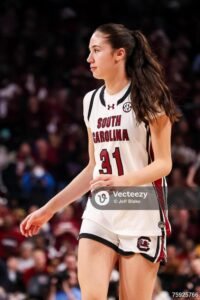
South Carolina Stars Joyce Edwards and Raven Johnson Earn Spots on Prestigious National Award Lists The success of the South Carolina Gamecocks women’s basketball program this season continues to gain national recognition, as standout players Joyce Edwards and Raven Johnson have both been named to major national award watch lists. The recognition highlights not only their individual excellence but also the continued dominance of the Gamecocks under legendary head coach Dawn Staley. For South Carolina, having multiple players recognized nationally reflects the program’s depth, talent, and winning culture. Throughout the season, both Edwards and Johnson have played key roles in keeping the Gamecocks among the top teams in the country. Joyce Edwards Emerging as a National Star Freshman forward Joyce Edwards has quickly become one of the most exciting young players in college basketball. Her inclusion on a national award watch list confirms what many fans and analysts have already noticed — Edwards is a rising star with a very bright future. Edwards has impressed with her versatility, scoring ability, and energy on both ends of the court. Despite being early in her college career, she has shown remarkable maturity in big games. Whether attacking the basket, finishing through contact, or contributing defensively, Edwards has consistently delivered impactful performances. Her development has been a major boost for South Carolina, providing the team with another dynamic offensive weapon. Under the guidance of Coach Dawn Staley, Edwards continues to grow each game, and national recognition is only reinforcing her growing reputation. Raven Johnson’s Leadership and Defense Recognized While Edwards represents the future of the program, veteran guard Raven Johnson continues to serve as one of the team’s emotional leaders. Johnson’s selection to a national award list reflects her impact as a playmaker, defender, and floor general. Johnson has been known for her defensive intensity, court vision, and ability to control the pace of the game. She plays a crucial role in South Carolina’s system, often guarding the opponent’s best perimeter player while also orchestrating the offense. Her leadership has been especially valuable in high-pressure moments. Teammates rely on her calm presence and basketball IQ, making her one of the most respected guards in the nation. Recognition of South Carolina’s Elite Program The national recognition for Edwards and Johnson further reinforces the reputation of South Carolina as one of the premier programs in women’s college basketball. Coach Dawn Staley has built a powerhouse that consistently produces elite players capable of competing for major awards. The Gamecocks have become known for developing talent that thrives both individually and within the team structure. Players are expected to defend, share the ball, and compete with relentless energy — qualities that Edwards and Johnson both display every time they step on the court. Looking Ahead As the season continues and the postseason approaches, both Joyce Edwards and Raven Johnson will remain central to South Carolina’s championship aspirations. Individual awards are impressive honors, but for the Gamecocks, the ultimate goal remains team success. If Edwards continues her rapid rise and Johnson maintains her steady leadership, South Carolina will remain one of the most dangerous teams in the country. And with national attention growing, the spotlight on these two Gamecocks stars will only get brighter. For South Carolina fans, the message is clear: the present is strong, and the future looks even brighter see more..